
KAMPALA, Uganda — Military personnel on Sunday morning sealed off the offices of Nation Media Group (NMG) Uganda, disrupting operations at NTV Uganda, the Daily Monitor newspaper, Spark TV, KFM and other media platforms in a move that has sparked fresh concerns about press freedom in the country.
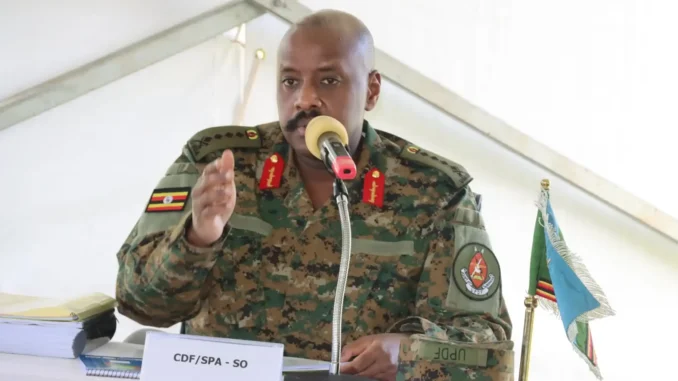
The operation came hours after Uganda’s Chief of Defence Forces (CDF), Gen. Muhoozi Kainerugaba publicly declared that NTV Uganda and the Daily Monitor would be shut down, claiming he had received approval from President Yoweri Museveni.
In a series of posts published on X shortly after 1:00 a.m., Gen Muhoozi announced that the broadcaster and newspaper would cease operations.
“NTV and Monitor are being shut down from today!” he wrote.
In a subsequent post, he added:
“Both NTV and Monitor will not reopen without my permission.”
The army chief also questioned the role of independent media, stating:
“In Uganda, I DO NOT believe in a free press! The press should be guided by cadres of the revolution.”
The remarks immediately drew attention across Uganda’s media and political landscape, given Muhoozi’s senior military position and his growing influence within government circles.
According to employees and sources within the media house, military personnel were deployed overnight to multiple Nation Media Group facilities.
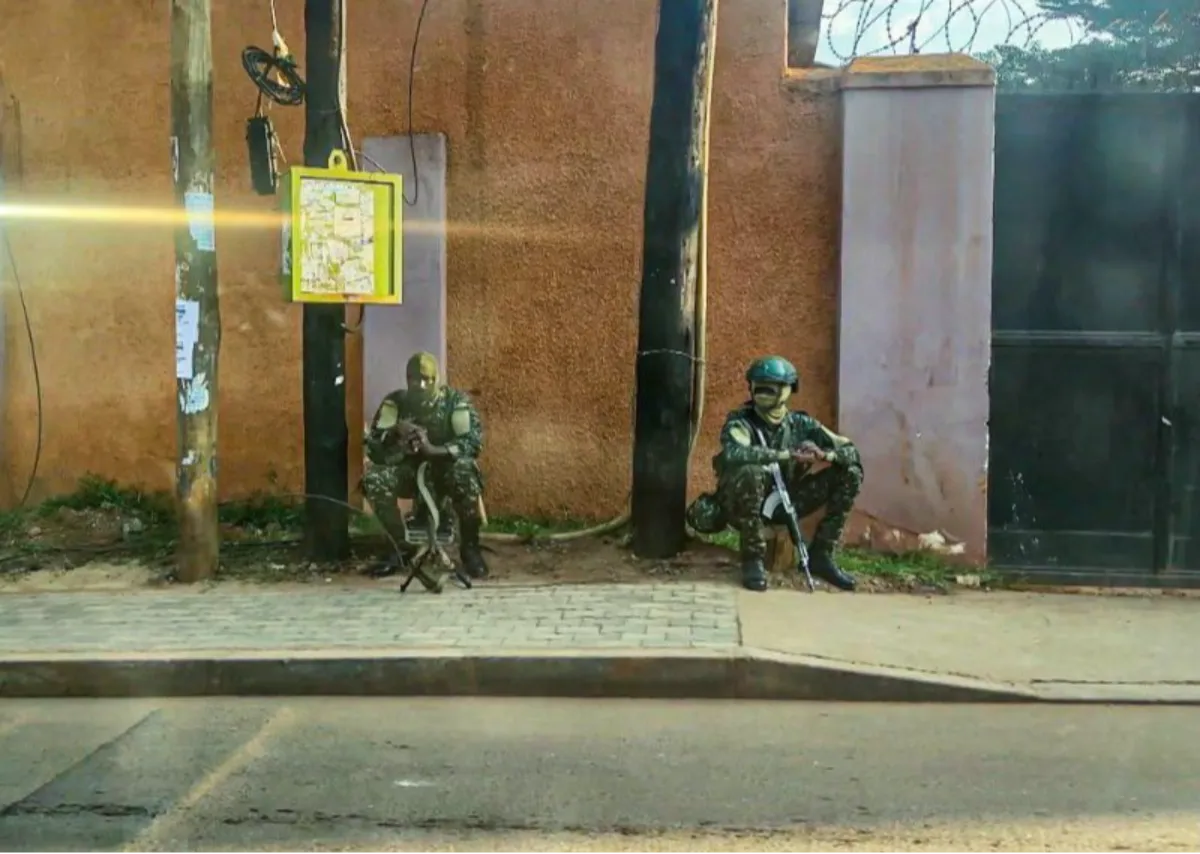
The operation affected both the Kampala Serena Conference Centre, which houses NTV Uganda and Spark TV studios, and the company’s headquarters in Namuwongo, home to the Daily Monitor, KFM and Dembe FM.
Staff members reported finding security personnel stationed at entrances when they arrived for work early Sunday morning.
One employee told the Kampala Dispatch that by 5:00 a.m., access to the Serena facility had been completely restricted, preventing staff from entering.
Another senior staff member, speaking anonymously because they were not authorised to comment publicly, said security officers had disconnected both the primary electricity supply and the backup generator serving parts of the facility.
“From the outside, the entrance looks normal, but they are not allowing anyone in,” the source said.
Employees arriving at the Namuwongo offices were also reportedly denied entry.
The security operation disrupted several of Uganda’s most prominent media outlets.
Nation Media Group Uganda operates:
- Daily Monitor newspaper
- NTV Uganda
- Spark TV
- 93.3 KFM
- 90.4 Dembe FM
- Ennyanda and other publications
The company employs more than 500 people across its Ugandan operations.
By Sunday morning, viewers attempting to access NTV Uganda and Spark TV were reportedly met with blank screens, while listeners also reported interruptions to radio broadcasts.
As of publication, Nation Media Group Uganda had not issued an official statement regarding the security operation.
Similarly, neither the Uganda People’s Defence Forces (UPDF), the Uganda Police Force nor the Uganda Communications Commission (UCC) had publicly explained the reasons for the deployment or announced any legal action against the media house.
The absence of formal communication has fuelled speculation and concern among journalists, civil society organisations and media freedom advocates.
The latest operation adds to a long-running history of confrontations between Nation Media Group Uganda and state authorities.
In 2013, security agencies raided the Daily Monitor and Dembe FM after the publication of a letter linked to alleged succession plans involving Muhoozi Kainerugaba. The media outlets remained closed for more than a week.
NTV Uganda also faced temporary suspension shortly after its launch in 2007 amid criticism from government officials over its editorial coverage.
Over the years, President Museveni has repeatedly criticised the Daily Monitor’s reporting. In one of his most notable remarks, he described the newspaper as an “enemy and evil newspaper.”
The shutdown has reignited debate about media freedom and the role of independent journalism in Uganda.
Media rights advocates have previously warned that restrictions on journalists and media organisations risk undermining constitutional guarantees of freedom of expression and access to information.
The developments are likely to draw scrutiny from regional and international press freedom organisations, particularly given the direct public statements made by Uganda’s military chief prior to the operation.
With no official explanation yet provided by authorities, questions remain about the legal basis for the security deployment, the future of Nation Media Group Uganda’s operations, and the broader implications for independent media in the country.